
Hoi An. Before the crowds.
Vietnam, Slowly: The Itinerary for Couples Who've Outgrown the Resort
Read enough honeymoon reviews - Bali, the Maldives, Phuket, and a pattern repeats. An infinity pool. A candlelit dinner on the sand. A couples' spa session. A butler who learns your names by day two. The star rating changes. The story underneath doesn't. Two people spend two or three lakhs and come home with the same five photographs everyone else has, namely- a pool, a sunset, a hand reaching for a hand. None of it is wrong. All of it is replaceable.
Somewhere around the third or fourth review that reads exactly like the one before it, most travellers start to notice. The usual correction is to patch the resort rather than rethink it - a day trip added here, a "cultural evening" scheduled there, almost as an apology for the rest of the stay. But the base never moves. Every morning still starts in the same room, beside the same pool, at the same breakfast buffet, and the excursion ends up feeling like an errand away from the holiday rather than the holiday itself.
The actual fix is structural, not cosmetic. Travigma doesn't start with a fixed circuit and slot the two of you into it - it starts with what you actually want from these days together, and builds outward from there. A holiday isn't a deadline to be chased through a checklist of sights; it's the one stretch of the year that gets to move at your pace instead of an operator's.
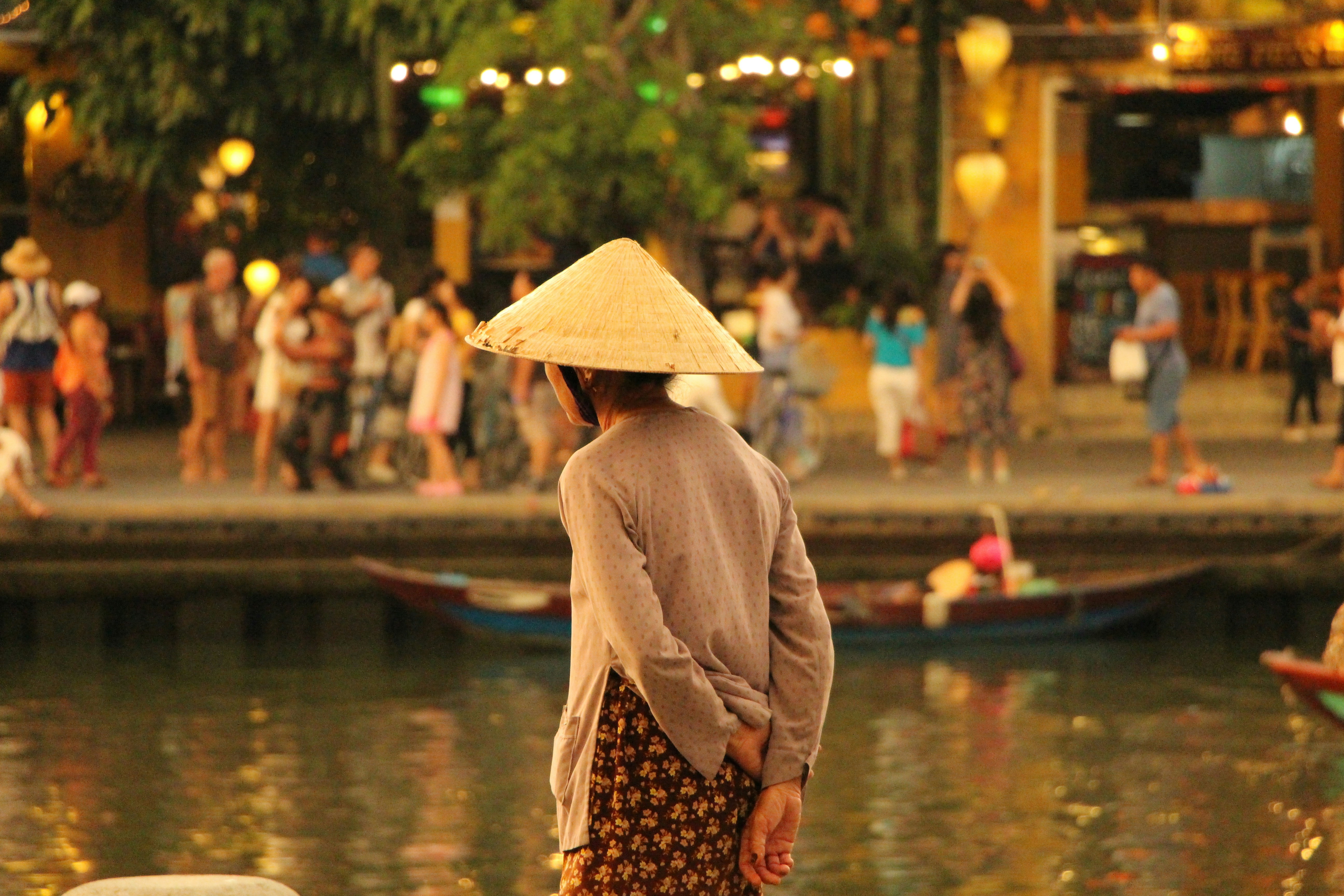
Hoi An. The place reveals itself to people who wait.
In Hoi An, that means waking before the shutters open, not after - the lantern quarter at 6am belongs to the people who live in it, not the day-trippers who'll fill it by nine. In a kitchen run by a woman who's been cooking for visitors for years, you're not booked into a class; you're at the table while lunch happens to be made - vegetarian, non-vegetarian, or strictly Jain, built around what you actually eat, not what's easiest to serve a tour bus.
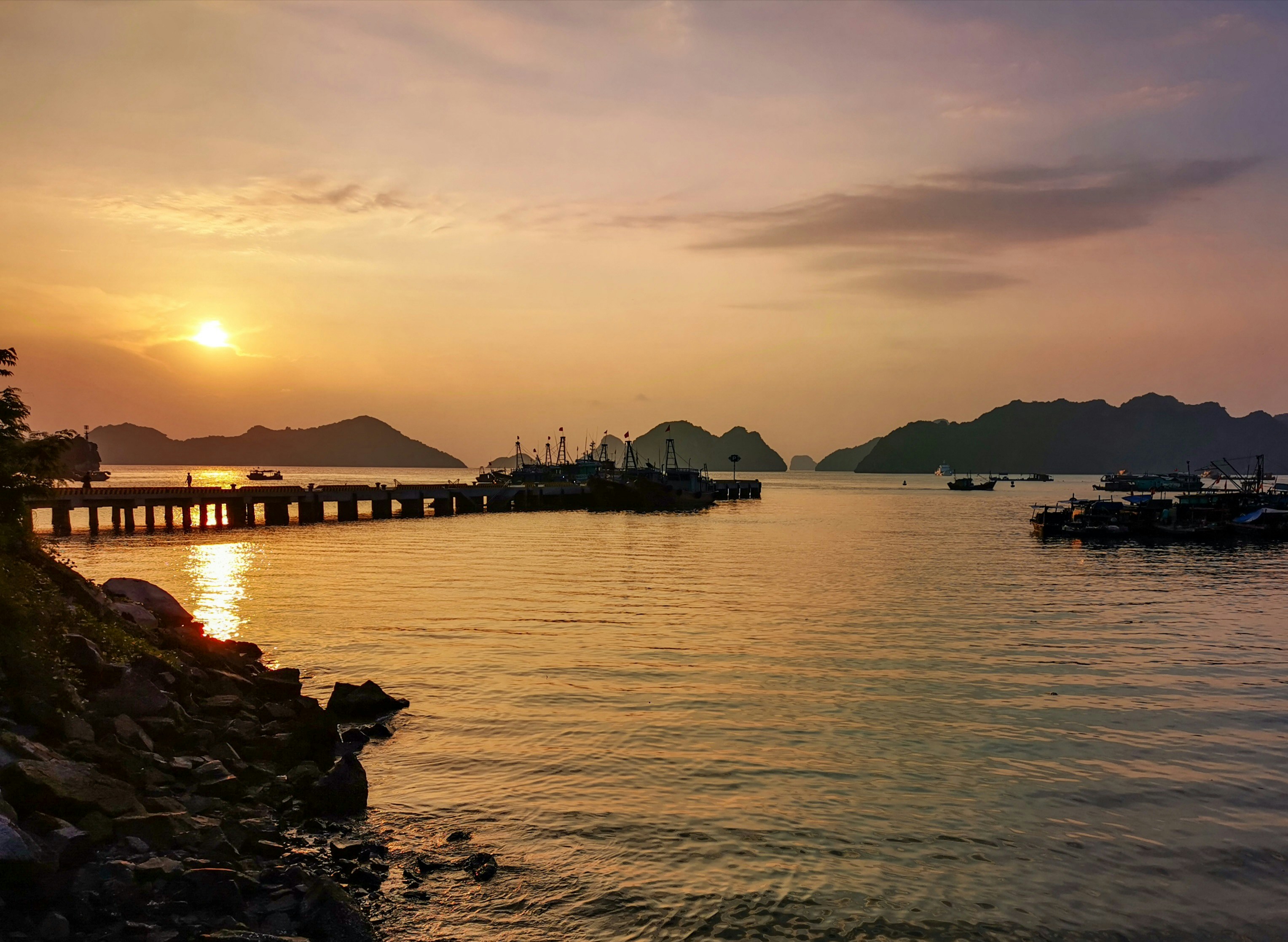
Lan Ha Bay. Same limestone karstrs but without the crowd.
North of Hanoi, where most operators stop at Ha Long Bay because the name sells itself, the more interesting bay sits right beside it: Lan Ha - the same limestone karsts rising out of the same emerald water, a fraction of the boat traffic, and a deck that's yours for the day instead of forty strangers'.
Further south, past where most Indian itineraries end, is a coastline almost nobody asks for by name: not Phu Quoc, not Bali, but Con Dao. Colonial-era quiet, turtles nesting on beaches with no beach clubs attached, and the particular kind of silence that comes from a place tourism hasn't fully found yet. That most travellers haven't heard of it isn't an oversight. That's the entire point.

Con Dao.Not Phu Quoc, Not Bali.
None of these mornings repeat, and none of them happen by accident. Time, for most couples planning this, is the actual luxury - more than trip length, more than the star rating of where you sleep. Travigma designs around that directly: experience first, logistics second, present only when they need to be - so the two of you stay at the centre of the trip, not the schedule.
That turns out to be the real difference between a holiday you recover from and one you spend years describing in specific, unprompted detail at dinner parties - not "we stayed somewhere lovely," but a sequence of particular mornings that belonged only to you. Whether this is the first trip as a married couple, or an anniversary, or simply the one you've been promising each other for years, the better question isn't which resort. It's which version of Vietnam you actually want to come home knowing.
Travigma builds that version - one country, explored slowly, designed around the two of you and no one else. Tell us where you are in your story; we'll tell you where to go.