March to May for rhododendrons and spring, and late September to November for clear skies and festivals. December to February is cold and clear. June to August is the monsoon.
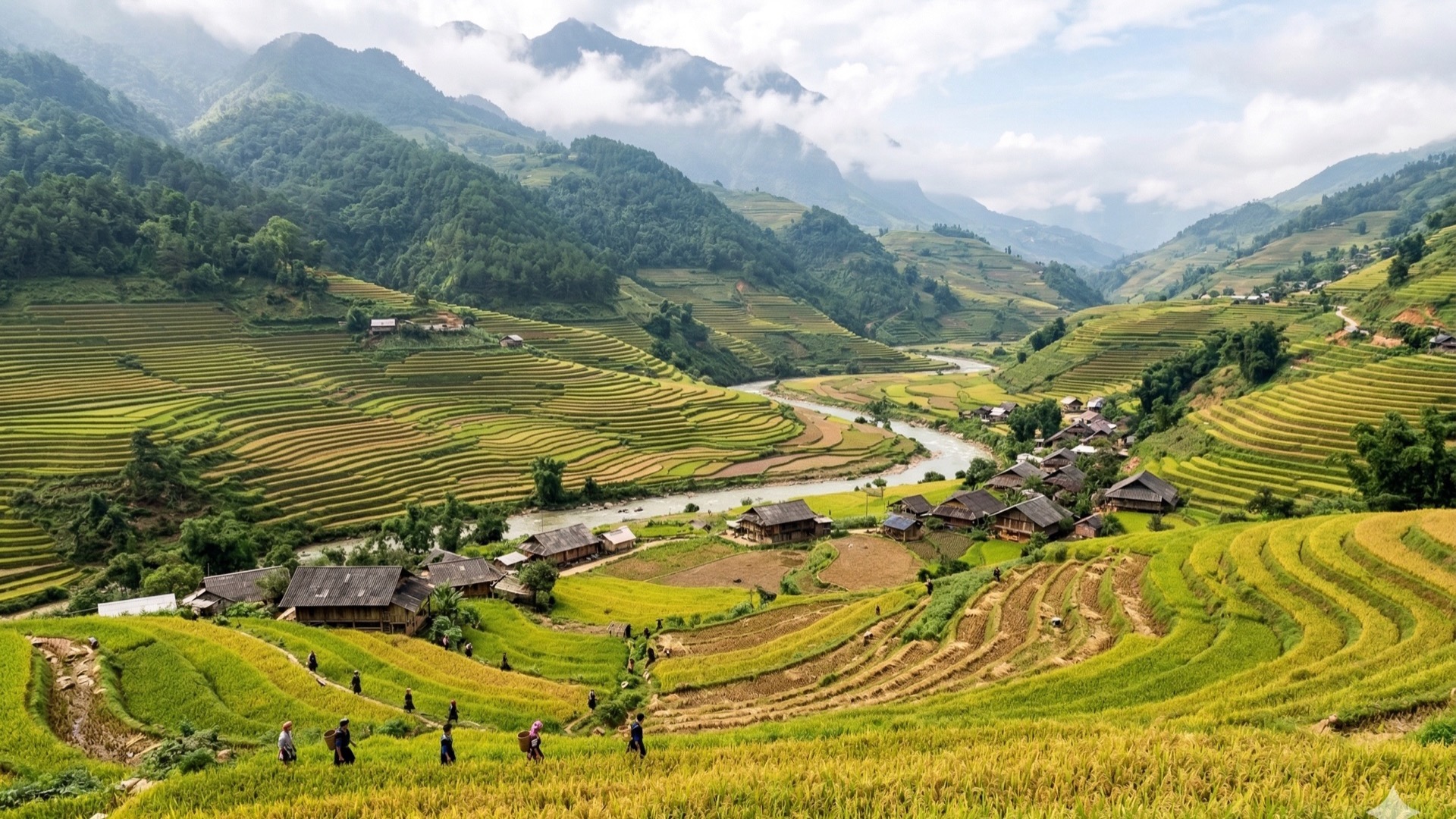
TRAVIGMA · Bhutan
Private Bhutan Holidays from India
From yak cheese to peach wine, Bhutan tastes different at every height. Which one is yours?
Yak cheese from the high pastures, red rice from the Paro valley, ema datshi in every kitchen, and peach wine from the warm south. Pine-forested valleys, rivers you can raft, a monastery clinging to a cliff above Paro, high passes facing the Himalaya, and a hot stone bath at the end of the day, a short flight or a drive from India.
Plan my Bhutan experience ↗WHY TRAVIGMA
Why choose Travigma for Bhutan holidays?
Bhutan is the Himalaya with the volume turned down. Wake to pine forest and river sound in the Paro valley, hike up to Tiger's Nest on its cliff, raft the river below Punakha's riverside fortress, try your hand at archery, Bhutan's national sport, and end the day in a hot stone bath. More than 70% of the country is forest, and Indians need no visa, only a permit, with Paro a short flight from Delhi, Kolkata, Bagdogra or Guwahati. Travigma designs private, personalised Bhutan trips around the uncrowded version of the kingdom: the Phobjikha valley instead of a crowded viewpoint, Tiger's Nest at first light, a farmhouse lunch in Punakha. Every experience includes airport-to-airport transfers in a private vehicle, hotels chosen for quality, a guide whenever your plan calls for one and 24/7 on-the-ground support, so all you have to do is slow down. Whether you are a couple, a family travelling with children or senior parents, or a group, Travigma starts by listening to your priorities, then designs the trip around you.
6 to 8 days for Paro, Thimphu and Punakha. 10 to 12 days to add Phobjikha, Bumthang or Haa.
Flights to Paro from Delhi, Kolkata, Bagdogra and Guwahati, or by road from Bagdogra through Jaigaon and Phuentsholing.
No visa for Indians: an entry permit with your passport or Voter ID, and a Sustainable Development Fee of ₹1,200 per person per night (₹600 for children under 12). Travigma arranges the permit for every booked traveller.
THE ISLAND, REGION BY REGION
Bhutan, region by region
Explore the regions that make this country worth returning to.
Western Bhutan
Paro (PAH-roh), Thimphu (TIM-poo), Punakha (POO-nah-kah) and Haa (HAH): a wide valley of farmhouses and rice fields below Tiger's Nest, or Taktsang (TAK-sang), the cliffside monastery that defines Bhutan, and Rinpung Dzong (RIN-poong ZONG); a capital with no traffic lights, a weekend market, archery grounds, and schools where students learn the thirteen traditional arts; Himalayan views from the Dochula (doh-choo-LAH) pass, a fortress where two rivers meet, rafting, and rice terraces in a warm valley; and, over the Chele La (CHEH-lay LAH) pass, the remote Haa valley, opened to visitors only in 2002, with farmhouse stays and very few other travellers. Haa is planned on Signature and Bespoke trips. Best: March to May, and September to November. Punakha is mild in winter; Haa is best from April to October.
Central Bhutan
Phobjikha (pob-JEE-kah) and Gangtey (GANG-tay), and Bumthang (BOOM-tahng), with Paro, Thimphu and Punakha on the way: a wide glacial valley where rare black-necked cranes spend the winter, and the central valleys, with some of Bhutan's oldest temples, orchards, cheese, honey and weaving villages. Bumthang is planned on Signature and Bespoke trips. Best: March, April, October and November for walks, and November to February for the cranes. June to August is very wet in the Phobjikha valley.
Region closing note
For the far east, Travigma plans Merak (MEH-rahk) and Sakten (SAHK-ten), the highland villages of the semi-nomadic Brokpa (BROK-pah) people, on Bespoke trips of 10 nights or more. Phobjikha, Bumthang and Haa are where the Uncrowded Principle lives in Bhutan. Travigma combines valleys by season, so your route follows the clear skies instead of fighting them.
Bhutan rewards fewer stops and more time with the people and places between them.
CHOOSE YOUR DEPTH
Three ways to experience Bhutan
Classic
Thoughtful & comfortable 4-star stays
Your first impression of Bhutan.
7 days · from ₹75K per person
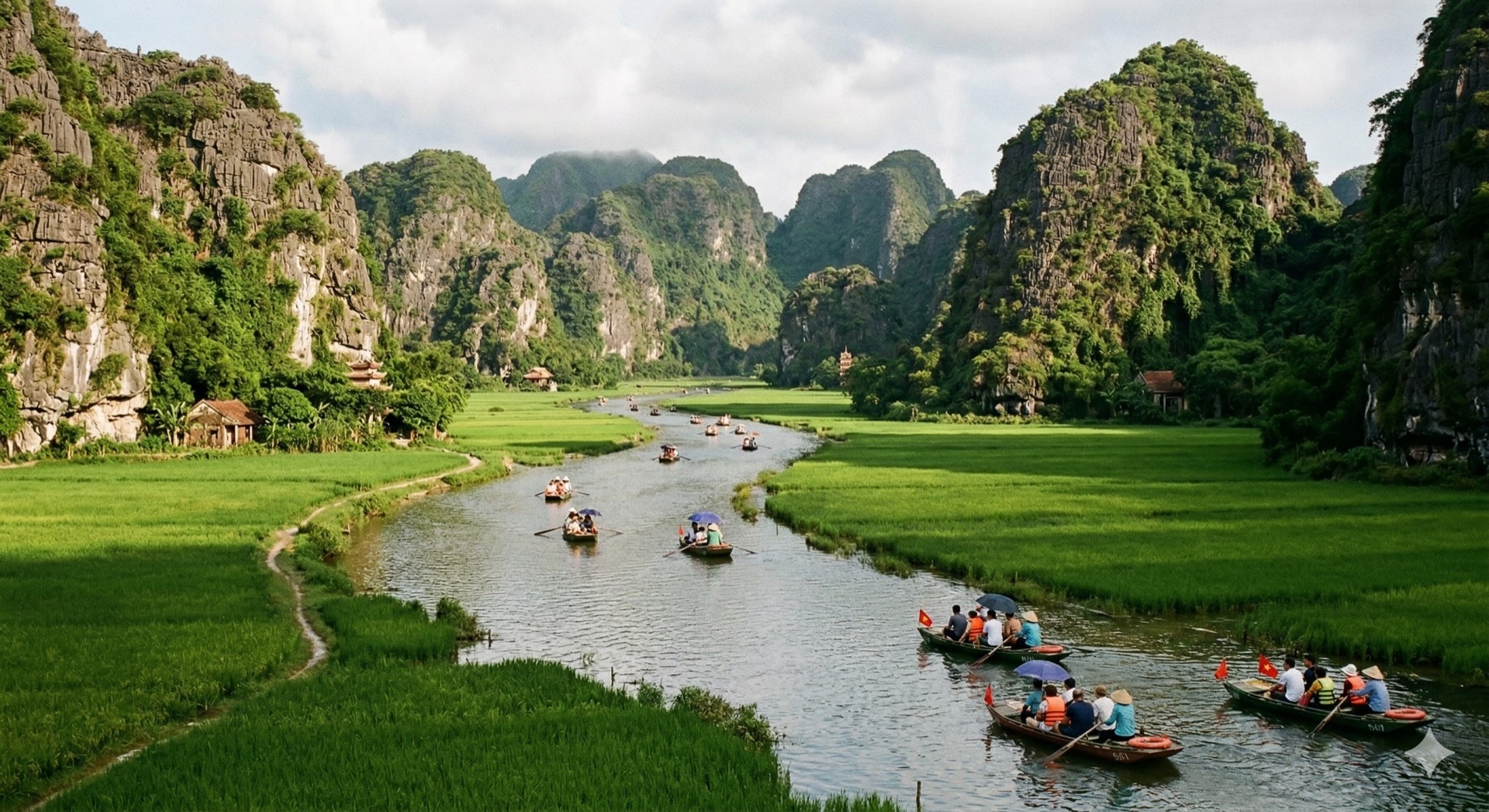
Signature
Elevated & boutique stays and a Signature Experience
A farmhouse-style lodge in the Punakha valley, plus a traditional hot stone bath in a Paro farmhouse.
7 days · from ₹1.5L per person
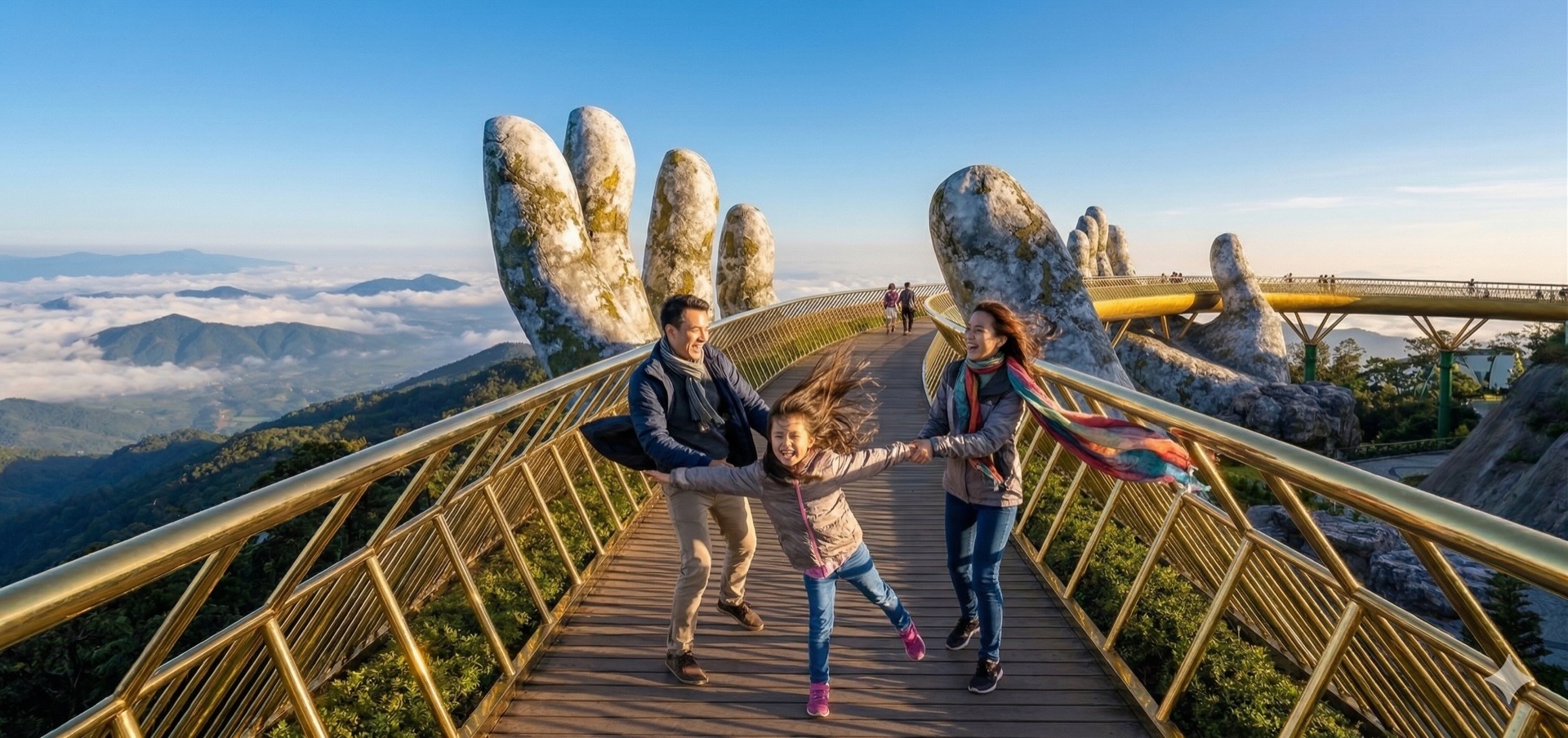
Bespoke
Bhutan's finest stays, with private access
A luxury lodge above the Paro valley, and private access built around a life event: a honeymoon, an anniversary, your parents' big trip.
7 days · from ₹2.5L per person
A HIGHLIGHTED JOURNEY
Tiger's Nest, privately
Bhutan is the neighbour most Indians have never really met.
The ties are old and close. Bhutan's currency, the ngultrum, is pegged one to one with the rupee, and Indian rupees are widely accepted. Many of the mountain roads you will drive on were built with India's Project DANTAK (DAHN-tuck), which has worked in Bhutan since 1961, and Bhutan's rivers power homes in India through its hydropower plants. The oldest link is a story. In the 8th century, Guru Rinpoche (GOO-roo RIN-poh-chay), a teacher from the Indian subcontinent, is said to have flown to the cliff at Taktsang on the back of a tigress and meditated in a cave there. The monastery built around that cave is Tiger's Nest, and Bhutanese still honour him as the second Buddha. Travigma plans Tiger's Nest privately, with an early start before the heat and the crowds, a pony for the first half of the climb for anyone who wants one, and a guide who knows the stories as well as the trail.
Designed around you
Plan my Tiger's Nest experienceDESIGNED AROUND YOU
Plan a personalised Bhutan trip
Bhutan looks small on a map. Its roads say otherwise.
Most Bhutan holidays don't go wrong because of the weather. They go wrong because of a handful of planning traps that almost every first-timer falls into: Driving in without a plan. By road from Bagdogra, the border crossing at Phuentsholing, the permit counter and the climb to Thimphu can take a whole day. Reading the map, not the road. Mountain roads average 30 to 40 km an hour, so Punakha to Bumthang is a seven-hour drive, not two. One long loop. Trying to see Paro, Thimphu, Punakha, Phobjikha and Bumthang in a week means a new hotel and a long drive almost every day. Tiger's Nest late in the morning. Start after nine, and the climb gets hotter, busier and slower. Forgetting the guide rule. Indian visitors need a licensed guide outside Thimphu and Paro, so finding one on arrival costs time. Festival weeks without rooms. Around the Paro and Thimphu festivals, hotels fill months ahead. Here's what those traps cost on a typical do-it-yourself eight days, by road from Bagdogra: Bagdogra to Thimphu, with the border and the permit: approx 12 hours Thimphu to Punakha: approx 3 hours Punakha to Bumthang: approx 7 hours Bumthang back to Paro: approx 9 hours Paro back to Bagdogra, through the border: approx 10 hours That's 41 hours on the road: almost three days of your holiday, gone before you count a single queue. Almost three days of an eight-day holiday is more than 35% of your budget, and more than 35% of the leave you saved up all year, spent on mountain bends. That's where Travigma comes in. We fly you into Paro when it saves a day, give each valley the nights it deserves instead of a long loop, and get you to Tiger's Nest at first light. We arrange your permit and your licensed guide before you land, book your rooms well ahead of festival weeks, and tell you honestly whether Bumthang or Haa is worth the drive for your group, so the hours you'd lose go back into the holiday. You make the few decisions that matter. We handle the rest. And when your family talks about this trip for years, you'll be the one who planned it. You'll hear back within 24 hours.
Tell us who's travelling, when, and what a good day looks like. We design the pace, the stays and the moments.
Tell us what you'd like to spend, and we'll show you how far it goes: which valleys, which season, which experiences.
Already mapped it out? Bring it, and we'll run it on the ground.
WHO IS IT FOR
Bhutan for couples, families and groups
Couples and honeymoons
A lodge above the Paro valley, a hot stone bath for two, and Tiger's Nest at first light, with a guide who steps back when you want to be alone.
Plan this way ↗Families
A pace that works for every age, from young children to senior parents: a pony for the Tiger's Nest climb, gentle rafting, a farmhouse lunch, and drives broken up so no one runs out of patience.
Plan this way ↗Groups
An archery match with a local team, long farmhouse dinners, a private vehicle that moves as one, and a local team close by, so you arrive as friends, not as the organiser.
Plan this way ↗QUESTIONS, ANSWERED
Frequently asked questions
How much does a Bhutan trip cost from India?
A private Travigma Bhutan trip comes in three tiers, Classic, Signature and Bespoke, priced per person for 7 days in Paro, Thimphu and Punakha, including hotels, private transfers, a licensed guide, your entry permit and experiences. The tier sets how you stay and what's added: handpicked 4-star hotels in Classic; characterful stays such as a farmhouse-style lodge, plus a Signature Experience such as a traditional hot stone bath, in Signature; and Bhutan's finest stays, plus private access built around a life event such as a honeymoon or an anniversary, in Bespoke. Every tier is private and personalised. Every quote shows the Sustainable Development Fee of ₹1,200 per person per night (₹600 for children under 12) clearly, and flights are not included. The final cost depends on your dates, route, hotels and experiences. Interim answer: prices aren't set, so this version names the three tiers without figures, and says the SDF is shown in every quote instead of saying whether it is included. Once prices are locked and you decide on the SDF, replace it with the draft's version: A private Travigma Bhutan trip starts from ₹75K per person in Classic, ₹1.5L per person in Signature and ₹2.5L per person in Bespoke, for 7 days in Paro, Thimphu and Punakha, including hotels, private transfers, a licensed guide, your entry permit and experiences. The tier sets how you stay and what's added: handpicked 4-star hotels in Classic; characterful stays such as a farmhouse-style lodge, plus a Signature Experience such as a traditional hot stone bath, in Signature; and Bhutan's finest stays, plus private access built around a life event such as a honeymoon or an anniversary, in Bespoke. Every tier is private and personalised. The Sustainable Development Fee of ₹1,200 per person per night is included , and flights are not included. The final cost depends on your dates, route, hotels and experiences.
Do Indians need a visa for Bhutan?
No. Indian nationals do not need a visa for Bhutan. You travel on an entry permit, issued against a valid passport or a Voter ID card, which can be applied for online or at the point of entry. Indian visitors also pay a Sustainable Development Fee of ₹1,200 per person per night (₹600 for children under 12), and need a licensed guide outside Thimphu and Paro and at monuments, temples and museums. Travigma arranges the permit and the guide for every booked traveller and confirms the current rules with you before you travel.
What is the best time to visit Bhutan?
The best time to visit Bhutan is spring, from March to May, or autumn, from late September to November. Spring (March to May): rhododendrons in bloom and mild days, with the Paro Tsechu festival in March or April. Autumn (late September to November): the clearest skies and Himalayan views, with the Thimphu Tsechu in September or October. Winter (December to February): cold but clear, with fewer visitors and black-necked cranes in the Phobjikha valley. Monsoon (June to August): green valleys, but heavy rain, cloud and landslides on some roads. Festival weeks: hotels in Paro and Thimphu fill up months ahead, so book early. Travigma shapes the route around your dates.
How many days are enough for Bhutan?
For a first visit, 6 to 8 days covers Paro, Thimphu and Punakha well, with time for Tiger's Nest and the Dochula pass. With 10 to 12 days, add the Phobjikha valley, Bumthang or Haa. Mountain roads are slow, so fewer valleys with more nights in each works better than a long loop. The pace is set by who is travelling.
Is a Travigma trip a Bhutan tour package?
A Travigma Bhutan trip covers everything people look for in a Bhutan tour package from India: hotels, transfers, permits, a licensed guide and sightseeing. The difference is that every trip is private and designed around you: your dates, your pace, the places you want to see and the ones you would rather skip. It comes with a private vehicle, a guide whenever your plan calls for one and 24/7 support on the ground, so nothing runs on a fixed group schedule.
Do Indian tourists need a guide in Bhutan?
Yes, for most of the trip. Indian visitors need a licensed Bhutanese guide to visit monuments, temples and museums, to travel to districts outside Thimphu and Paro, and for all treks. Travigma includes a licensed guide whenever your plan needs one, chosen for your group, so the rule becomes an advantage: someone who knows the stories, the roads and the best time to arrive.
How hard is the Tiger's Nest hike?
The hike to Tiger's Nest takes most people four to five hours there and back, with a climb of about 500 metres to the monastery at around 3,100 metres. The path is steady rather than technical, and ponies can carry visitors up the first half, to the cafeteria viewpoint. Travigma plans it with an early start, before the heat and the crowds, and paces it for families, including senior parents.
Can you plan treks, rafting and wellness in Bhutan?
Yes. The Druk Path trek between Paro and Thimphu suits experienced walkers over four to six days, while shorter walks to the Bumdra meadows or through the Phobjikha valley suit most fit travellers. Gentle rafting on the rivers below Punakha works for beginners and families. For wellness, Travigma builds in the dotsho, Bhutan's traditional hot stone bath, in a farmhouse or at your hotel, along with slow farmhouse lunches and quiet valley stays. Treks and rafting are arranged with licensed guides and operators, at a level that suits everyone in your group.
Can you plan around dietary needs?
Yes. Tell Travigma about vegetarian, Jain or other needs at the start, and meals, restaurants and guides are planned around them. Bhutanese food is often vegetarian, built on chillies, cheese, vegetables and red rice, and Indian food is easy to find in Thimphu, Paro and Punakha. Dishes can be very spicy, so it helps to ask for less chilli, and stricter diets such as Jain need advance planning. Travigma will tell you honestly what is possible.
Want to plan Bhutan your way?
Valleys or passes, festivals or quiet farmhouses, Tiger's Nest at dawn or a hot stone bath at dusk. Tell us what you have in mind, and we'll design the trip around you. You'll hear back within 24 hours.
Plan my Bhutan trip ↗