Vietnam Wasn't Always About Pho
Ask someone what Vietnamese food is, and pho arrives before the question finishes. Then bánh mì, then spring rolls, then egg coffee if they've spent time in Hanoi. All of it treats Vietnam as one kitchen, when it's closer to four. The country runs 1600 kilometers north to south, and between Hanoi and Ho Chi Minh City, the climate changes, an empire rose and fell, a trading port absorbed three centuries of foreign ships, and a river delta kept adding whatever grew well in water. Follow the food from north to south and the history starts showing up on the plate.
The North: Hanoi
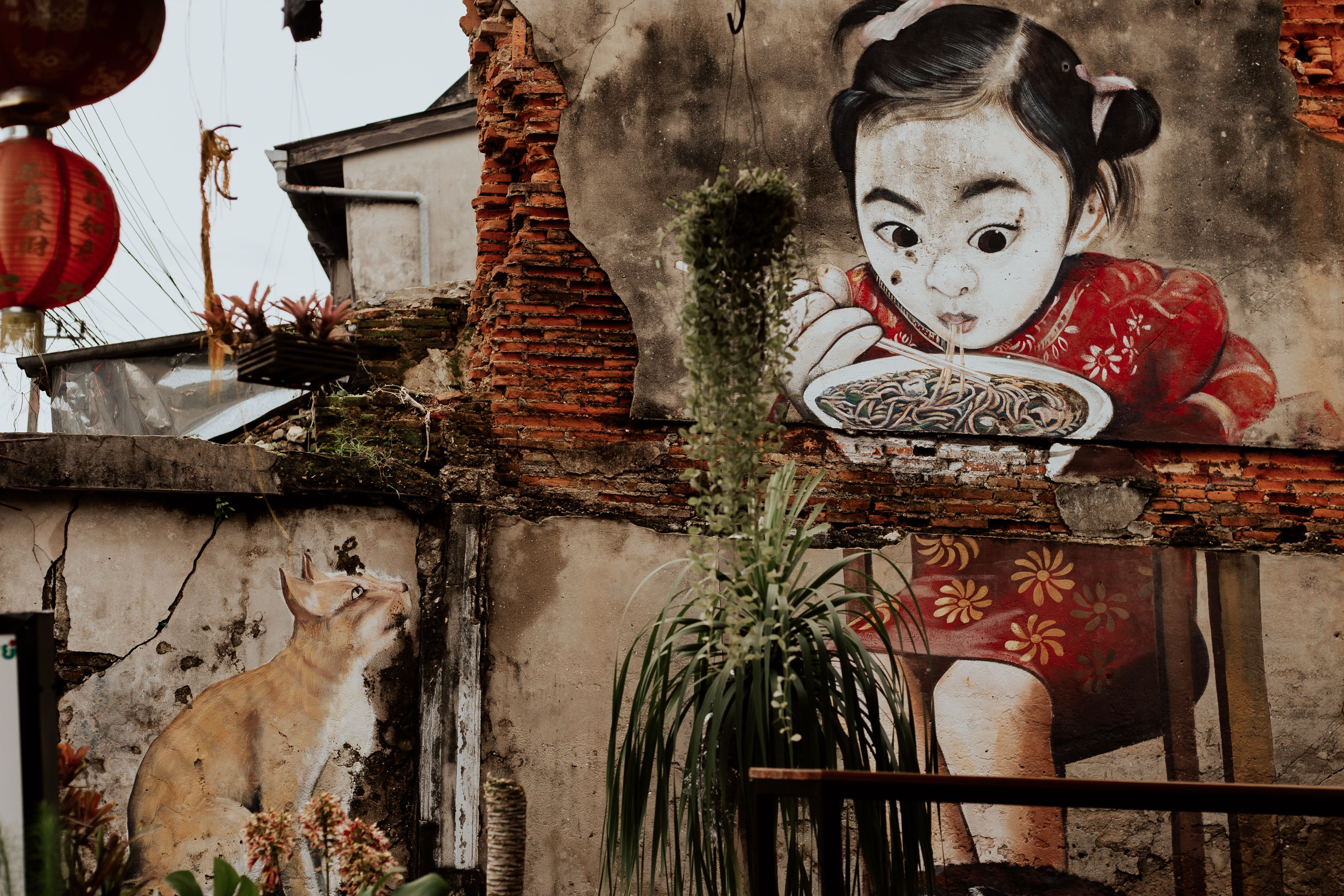
Pho is Vietnam's most exported dish and its most argued-over one. The likeliest account places its birth in early-1900s Hanoi and Nam Định, where Vietnamese rice noodle traditions met French pot-au-feu-style beef broth under colonial rule. The name itself may come from the French "feu," as in pot-au-feu — an etymology still debated among food historians. What isn't debated is the timeline: pho didn't exist before the French arrived, and became a fully formed national icon within a few decades of when they did.

Egg coffee has a more specific origin than most people assume. In 1946, Hanoi ran short of fresh milk. A bartender named Nguyễn Giang, working at the Sofitel Metropole, needed something to replace it in his coffee and reached for egg yolk instead, whipped it into a foam, and built a drink around the substitution. He opened Café Giang under his own name shortly after. The cafe still operates today, run by his descendants, serving the same drink from the same family recipe it started with 80 years ago. What began as a wartime substitution turned into a signature the way most Vietnamese food traditions do: necessity first, ritual later.
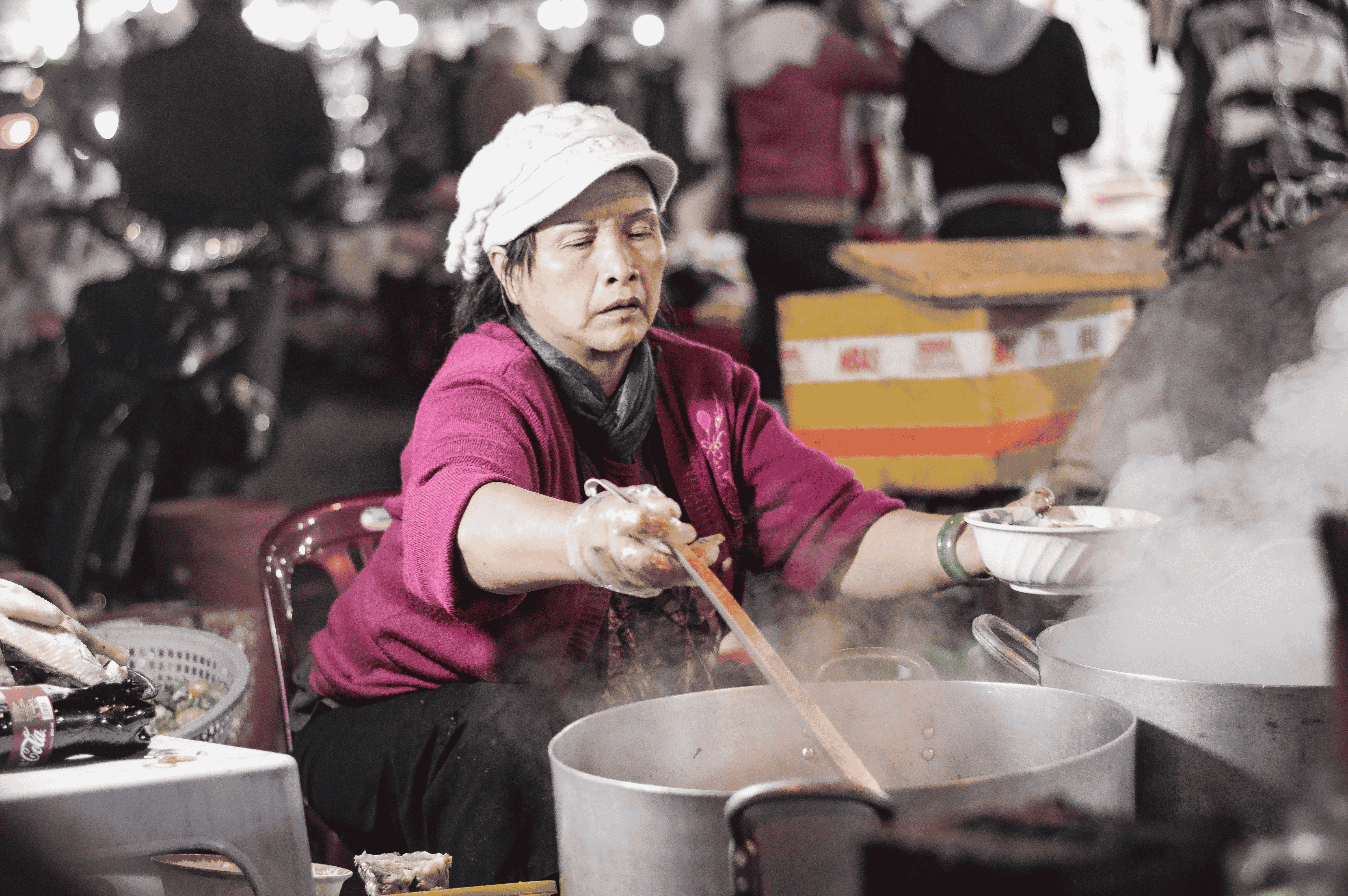
Hanoi's chả cá lã vọng (chah-kah-lah-vawng) traces to one specific address. The Lã Vọng family opened a restaurant under that name in 1871 and served a single dish: fish marinated in turmeric and galangal, grilled tableside, folded into rice noodles and dill at the last second. The dish became so associated with the restaurant that Vietnamese now uses the restaurant's name as the dish's name. The original restaurant is still run by descendants of the family that opened it.
The Center: Hue
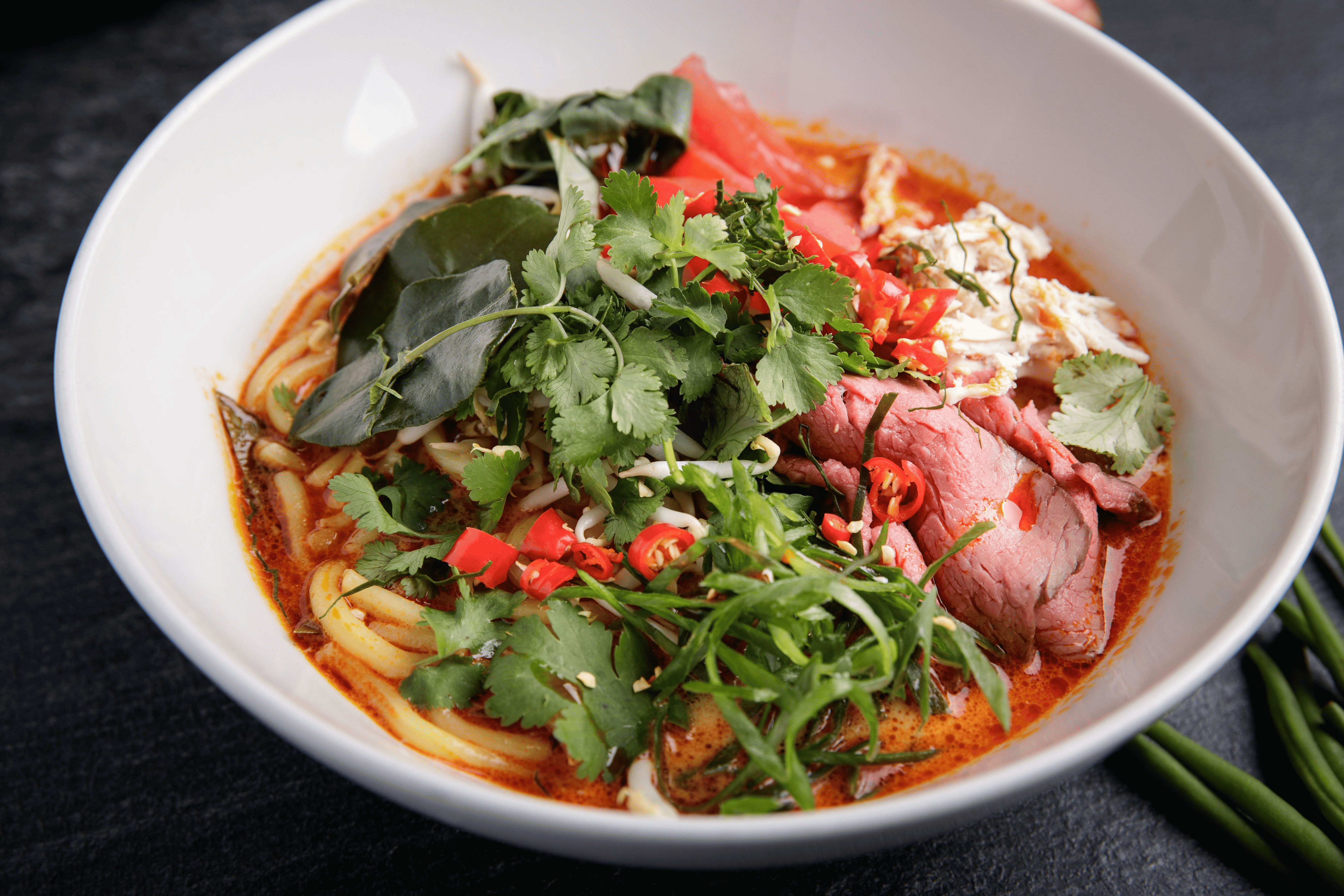
Hue was the imperial capital of the Nguyễn dynasty for more than a century, and its food still carries the court's habits: small portions, careful presentation, a level of attention that goes past simply tasting good. The dynasty ended in 1945; the kitchen habits it built outlasted it by decades, moving straight into the city's everyday food, and nowhere more than in bún bò Huế — a beef noodle soup with a broth built on lemongrass, chili oil, and fermented shrimp paste, sharper and more assertive than pho's gentler stock, unmistakably central Vietnamese in a single spoonful.
Sit next to it on Hue's own tables is cơm hến, a bowl of rice topped with tiny river mussels pulled from the Perfume River, herbs, peanuts, chili, and pork cracklings. One dish descends from a kitchen that once fed an emperor. The other belongs to the fishermen along the river the emperor's palace overlooked. Hue holds both without contradiction, which is the closest thing Vietnamese food has to a rule: history rarely stays where it started.
Hue also produced cà phê muối, salt coffee — strong Vietnamese coffee, condensed milk, cream, and a pinch of salt that resets the balance between the bitterness and the sweetness already there, rather than making the drink taste salty. Social media discovered the drink recently and treated it as a novelty; Hue's own cafes had been serving it for years before that, one more example of a habit that runs through nearly every dish on this list: change the relationship between what's already in the cup, rather than add something new to it.
The Trading Port: Hoi An
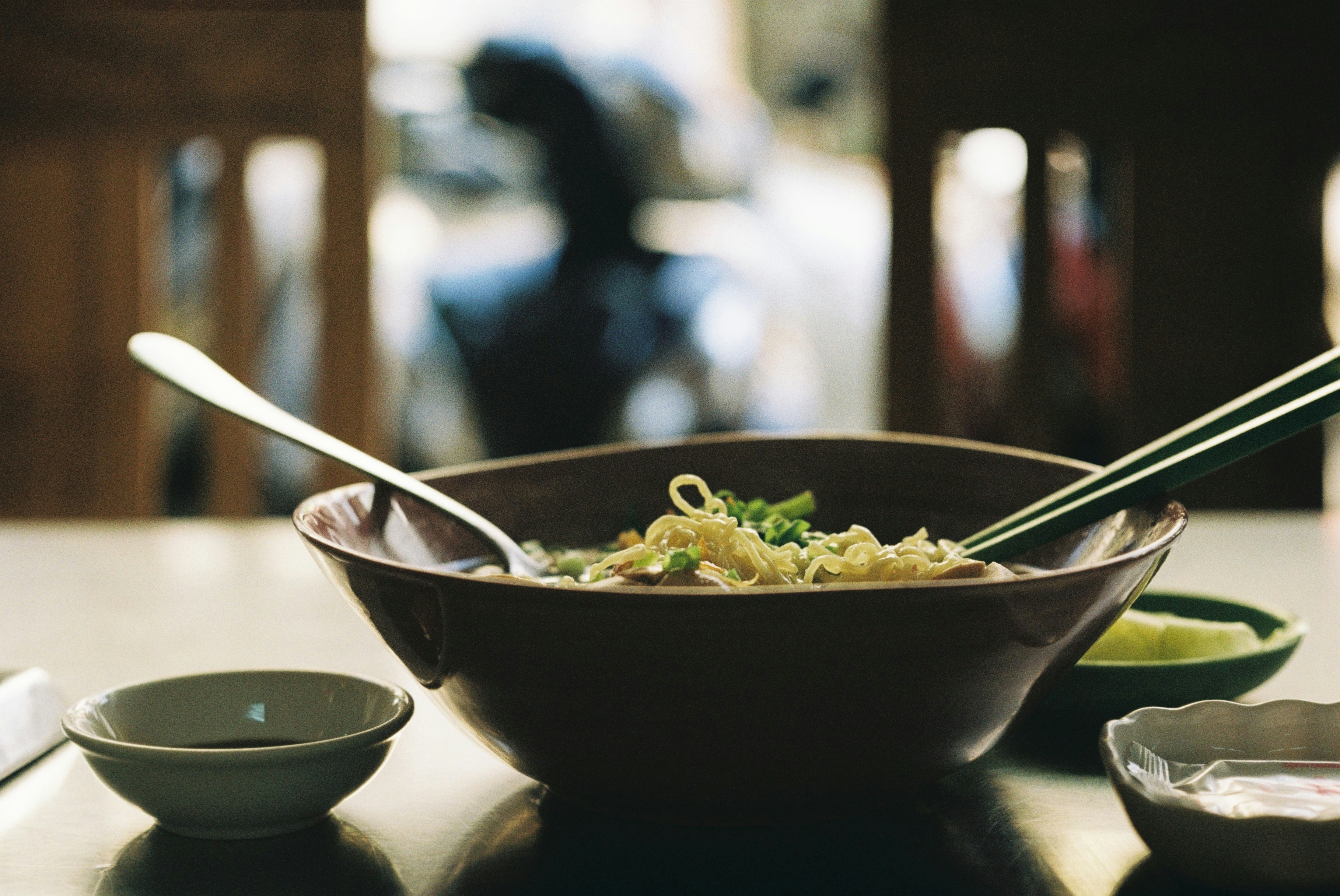
For three centuries Hoi An ran as a trading port, and Japanese, Chinese, European, and Southeast Asian merchants all passed through and left something behind — in the architecture, in the temples, and in the food. Cao lầu (cow LOH) is the clearest example: thick noodles, char siu pork, herbs, and crisp rice crackers, built around a claim that's stubborn rather than provable, that the noodles only work when made with water from one specific well in town, Giếng Bá Lễ (zeeng BAH lay). Cooks who've tried making cao lầu with water from anywhere else say the texture never quite matches. Whether the water actually makes the difference is still debated. Hoi An's cooks don't seem particularly interested in settling the argument. Outsiders treat it as a good story. Either way, the dish resists leaving the town it was made for.
Twenty minutes away, in the wider Quảng Nam province, mì quảng (mee KWAHNG) gets mistaken for cao lầu by nearly every first-time visitor and defended as entirely separate by nearly every local cook. It uses a turmeric-stained noodle, a shallow broth rather than a full one, and a topping that changes with the season — shrimp and pork most often, egg or chicken or fish depending on what's fresh that morning. Conflating the two dishes in front of a Quảng Nam local is a fast way to get corrected.
The South: Saigon and the Delta
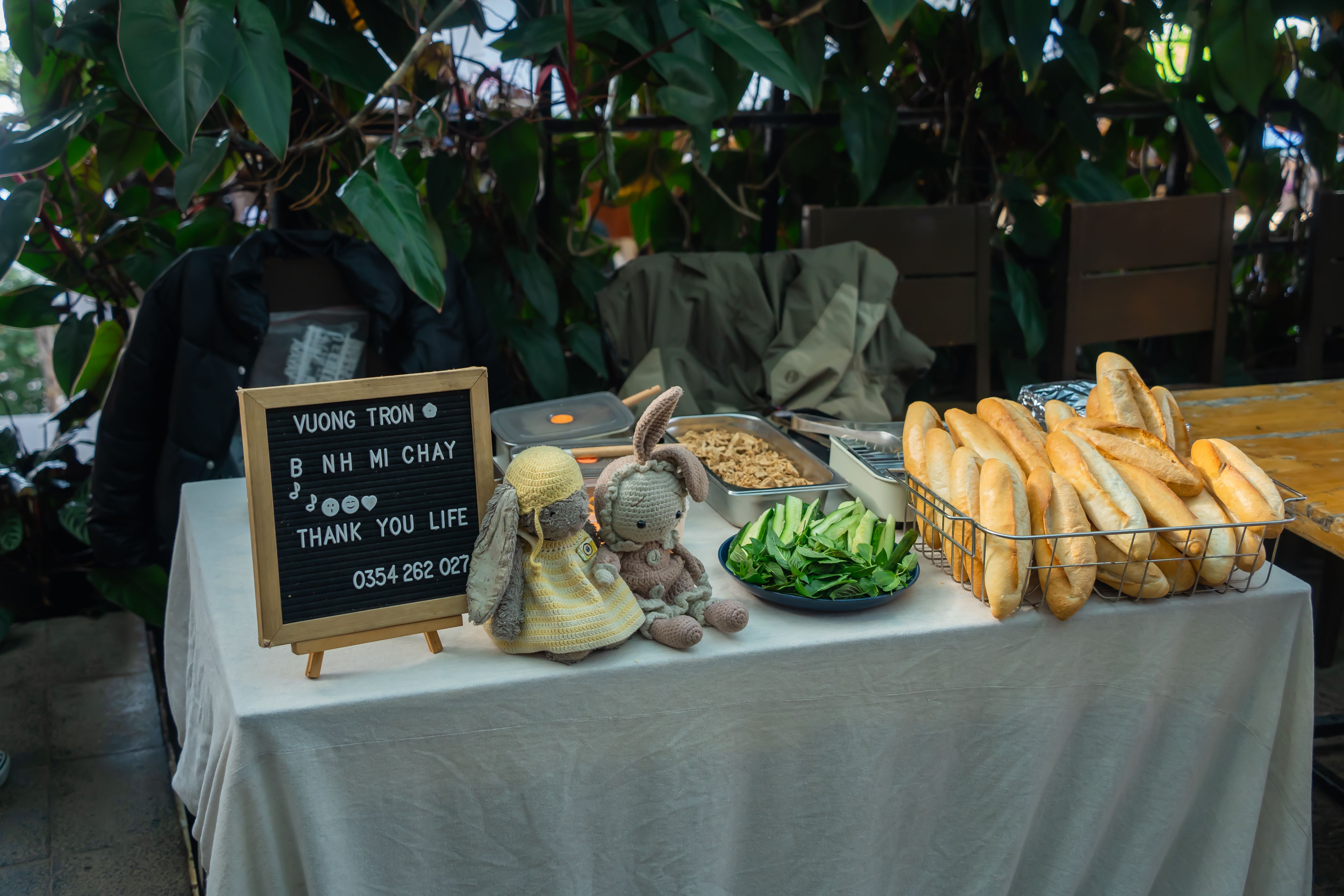
Saigon's bánh mì (bahn MEE) is postcolonial in the most literal sense. French bakers introduced the baguette during colonial rule, and once the French left, Vietnamese cooks kept the bread and rebuilt everything inside it — pâté (pah-TAY) and mayonnaise sitting next to pickled carrot, chili, and cilantro, French technique carrying distinctly Vietnamese contents. The sandwich took its current shape mostly in the decades after 1954, once Vietnamese kitchens had the bread technique without a French kitchen dictating what went inside it.
Further south, the Mekong Delta changes the register again. Coconut, freshwater fish, tropical fruit, and fermented flavors run through everything, shaped by a warmer, wetter geography and centuries of movement along the river's own waterways. And underneath nearly every dish in this piece sits nước mắm from Phú Quốc, whose fermentation tradition — small black lacquered wooden barrels, whole anchovies, months of fermentation with no water added — carries geographical indication status in the EU, the same legal category that protects Champagne and Parmigiano-Reggiano. A bottle labeled "Phú Quốc nước mắm" made anywhere else isn't legally allowed to use the name in Europe. Almost nobody eating the dishes on this list thinks about where their fish sauce actually came from.
The Table This Trail Leads To
Travigma's Bespoke Culinary Journey runs street food in Hanoi with Quang — a table arranged through relationship rather than reservation, cao lầu and mì quảng taught in the same Hoi An morning, and a Saigon kitchen run by a family who don't advertise. Three regions, three kitchens, one trip — with Hue's imperial half still waiting to be added to the map.