
Travigma Atlas · Vietnam — Crafts & Markets
The Crafts That Take Longer Than a Day
A souvenir and a craft are not the same purchase. A souvenir is proof you went somewhere. A craft is proof someone else spent years, sometimes generations, getting good at something specific. Vietnam runs an unusually deep bench of the second kind - villages and workshops where a single skill has been handed down inside families for centuries, still practiced the same way, still worth watching before it's worth buying.
Bát Tràng Ceramics
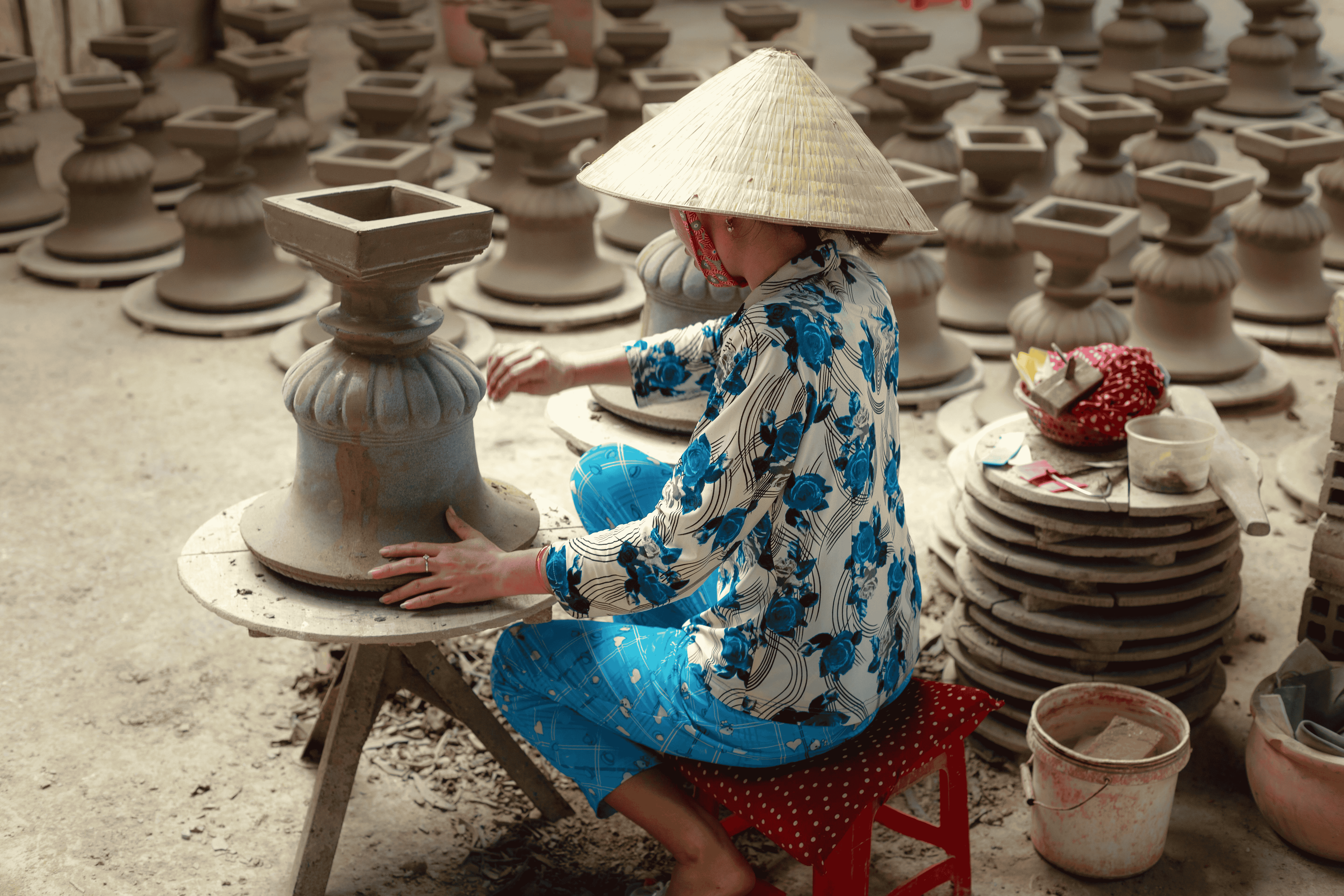
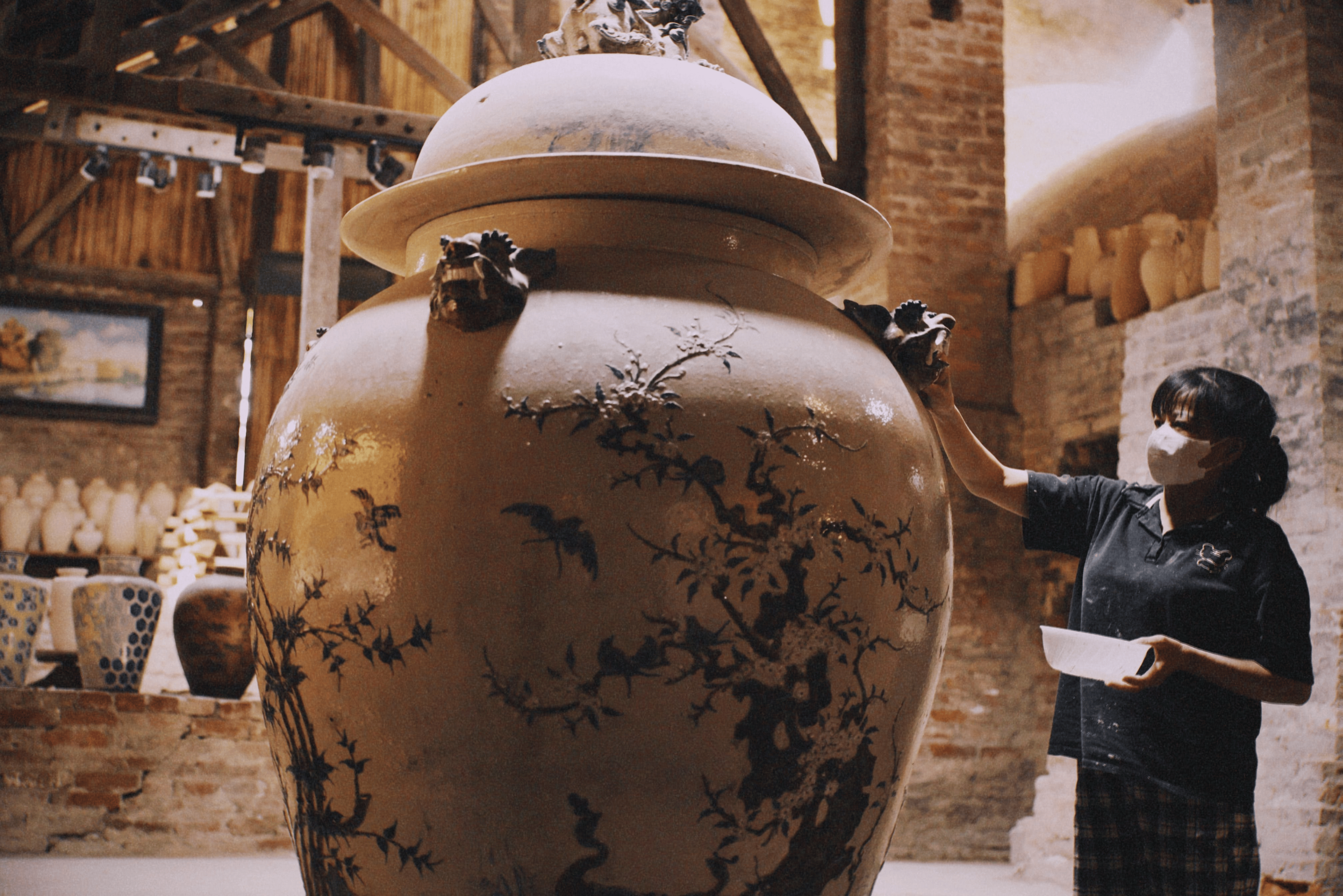
Twenty minutes outside Hanoi sits a village that has made ceramics for over five hundred years, continuously, through dynasties and wars and the arrival of mass manufacturing that put most craft villages like it out of business. Bát Tràng didn't go the way of most. Family-run kilns still fire the same blue-and-white glazed pottery the village has made since the Lý dynasty, and the streets are still organized the way a craft village organizes itself: by family workshop, not by storefront.
Sơn Mài (Lacquerware)
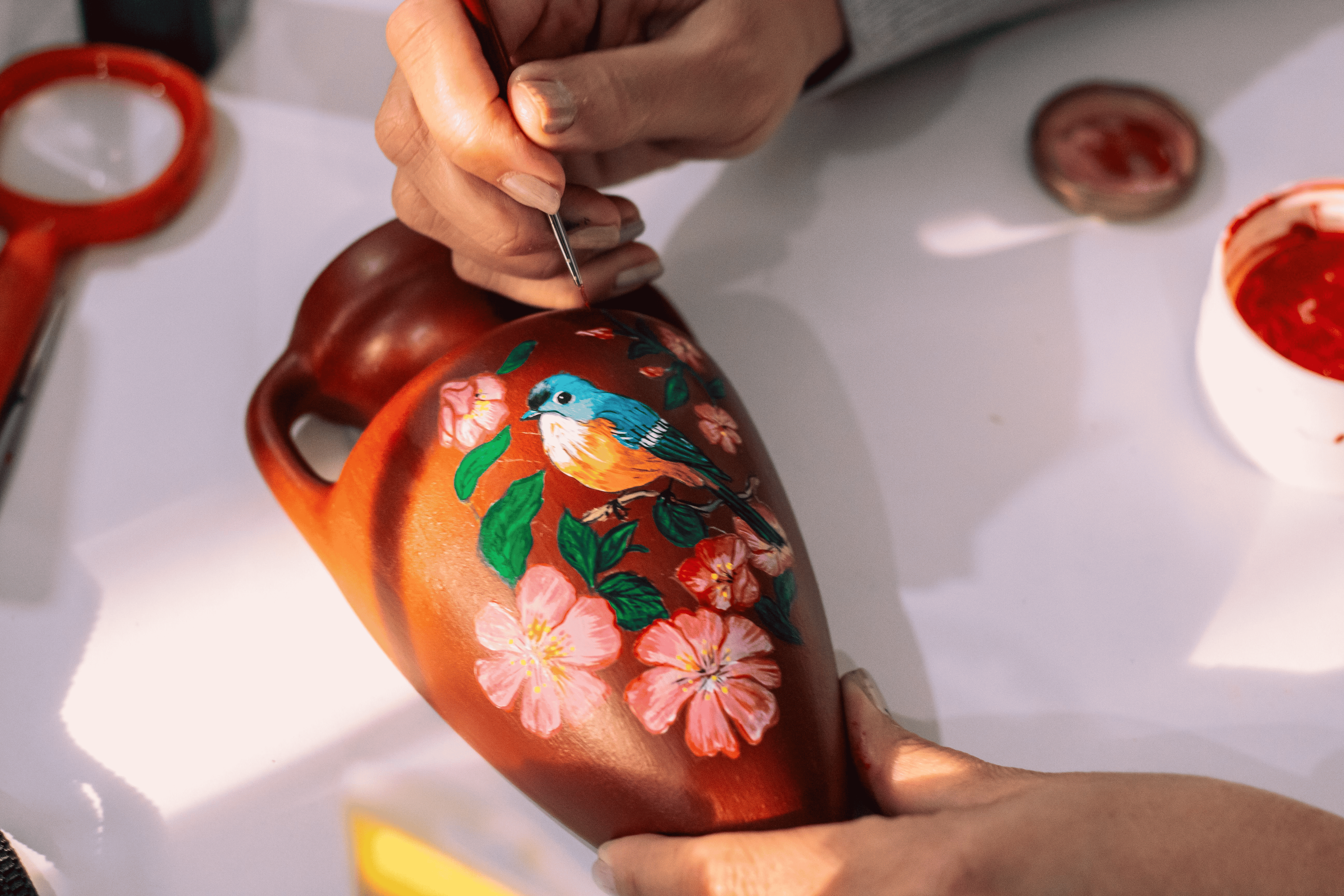
Vietnamese lacquerware takes weeks to make one piece, sometimes longer. The process layers tree resin — sơn, tapped from the same lacquer tree used across parts of Southeast Asia — coat over coat over a wooden or bamboo base, each layer polished and dried before the next goes on. Eggshell, mother-of-pearl, and gold leaf get inlaid between layers on the finer pieces. A single bowl can represent a month of work by the time it's finished, which is part of why the technique nearly disappeared when cheaper alternatives flooded the market. It didn't disappear. A small number of workshops kept training apprentices the slow way, and the craft survived on exactly the kind of patience it demands from the people who make it.
Nón Lá (Conical Hats)
The conical hat is Vietnam's most photographed object and one of its least understood. Made from palm leaves stitched over a bamboo frame, most nón lá are purely functional, sun and rain protection worn across the country's rice paddies and markets. The villages around Huế make a different version. Certain workshops there weave a second, nearly invisible layer between the palm leaves - pressed silhouettes, sometimes poetry, sometimes an image, visible only when the hat is held up to light. The maker builds a hidden layer into the hat knowing that most people who ever wear it will never find it.

Hoi An's Tailors
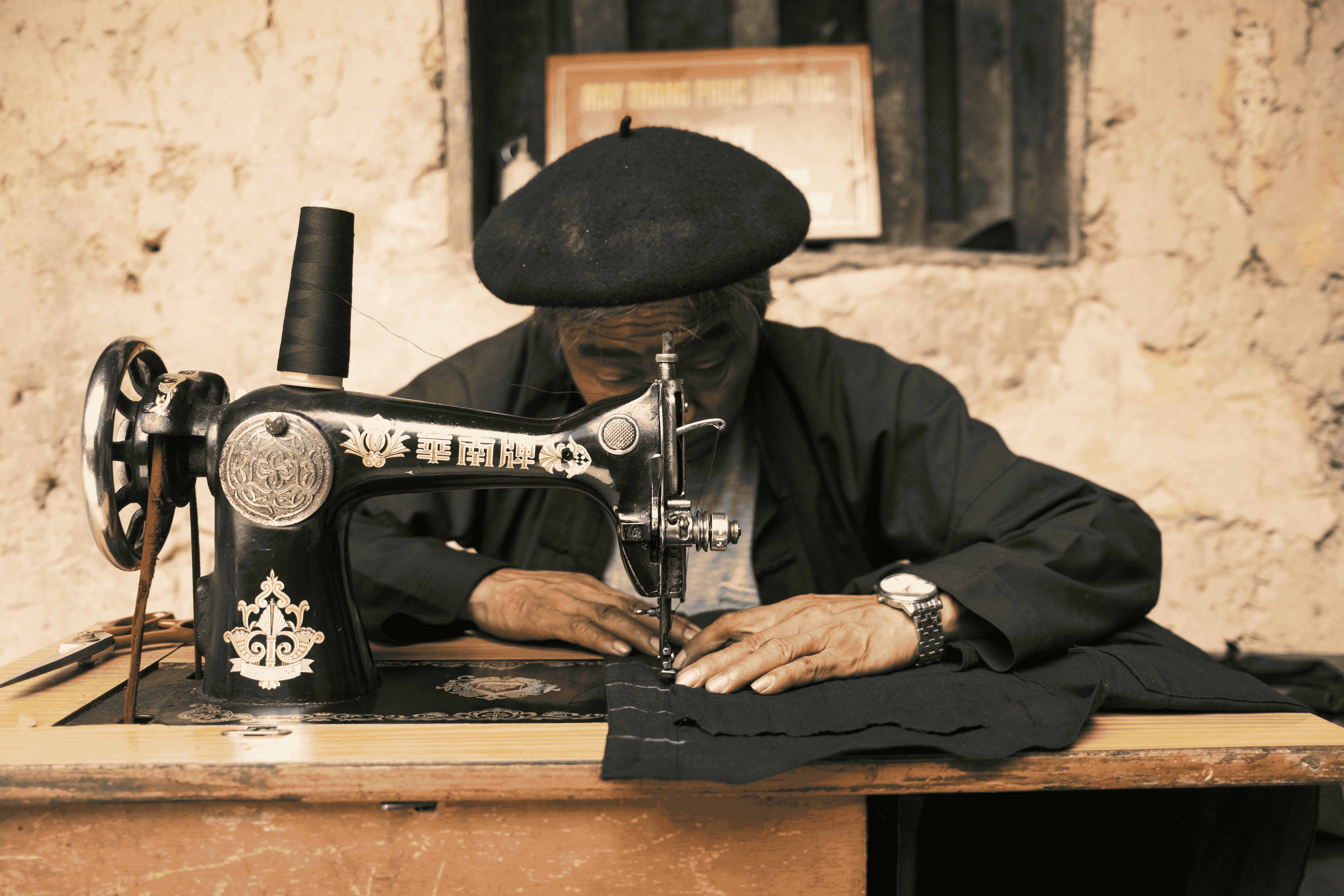
Hoi An's tailoring trade is old enough to have its own explanation: a trading port for three centuries, absorbing textile technique from every merchant fleet that passed through, until dressmaking became one of the town's own specialties rather than a borrowed one. Today the town runs on same-day custom tailoring at a scale found almost nowhere else - hundreds of shops, silk and linen sourced locally, a full wardrobe cut, sewn, and fitted between one morning and the next. The speed is real. So is the skill behind it; a good Hoi An tailor is reading a body the way a doctor reads an X-ray, correcting for asymmetries a customer has never noticed themselves.
Marble Mountains Stone Carving
Just outside Da Nang, a cluster of marble and limestone peaks gave a village its trade before it gave the village its name. Non-Nước, the stone-carving village at the base of the Marble Mountains, has quarried and carved the local marble into Buddhist statuary, temple guardians, and decorative stone for generations, workshops built directly into the foot of the mountains they still draw material from. The scale ranges from palm-sized figures to statues too large to ship without disassembly, the kind of craft that exists because the raw material happened to be sitting right there.
Bàu Trúc Pottery
In Ninh Thuận, home to the Balamon Cham community whose Hindu towers and living worship are told in full in Travigma Atlas: Myth & History, sits Bàu Trúc — a Cham pottery village often cited as one of the oldest surviving pottery traditions in Southeast Asia. No wheel is used. Every piece is shaped entirely by hand, the potter walking backward in a slow circle around the clay rather than the clay turning beneath still hands. The technique is unchanged from what's documented in Cham temple carvings centuries old, passed down through women in the community specifically, mother to daughter, the way the weaving traditions from the same villages are.
Where the Workshop Door Actually Opens
Three of these crafts already sit inside Travigma routes. Hoi An's tailoring runs through the Central + South Signature itinerary, a full custom fitting built into the pace of the trip rather than squeezed into a free afternoon. The Living Heritage & Marine Bespoke itinerary goes furthest: a private sơn mài lacquerware masterclass, paired with the same exclusive Balamon Cham family visit that opens Bàu Trúc's hand-building technique to a small group rather than a shop counter. Bát Tràng sits inside the Heritage Circuit itinerary. Nón Lá and Non-Nước stone carving remain worth asking for by name until they are.